

Get Quotation!
We are ready to answer right now! Let us your information we will call you shortly.
I consent to the processing of personal data and agree with the user agreement and privacy policy
Are you struggling to design MRI report envelopes that look professional and get the job done? You’re not alone.
Many people make simple mistakes that can cost time, confuse recipients, or even risk patient privacy. But don’t worry—this article will guide you through creating clear, effective MRI report envelopes while pointing out common errors you can easily avoid. By the end, you’ll have the confidence to design envelopes that protect sensitive information and make a great impression every time.
Keep reading to learn how to get it right from the start!
Designing MRI report envelopes requires attention to several key elements. These elements ensure the report reaches the right hands safely and clearly. A well-designed envelope protects the report and provides important details at a glance. The design must balance functionality with clarity to avoid common mistakes.
Start with patient details like name and ID number. Add the date of the MRI scan and the referring doctor’s name. Include contact information for the imaging center. Clear labeling helps avoid mix-ups and lost reports. Use bold fonts for key data to improve visibility.
Choose a size that fits the MRI report without folding it. A4 or slightly larger envelopes work well. Arrange information in a logical order from top to bottom. Leave space for barcodes or tracking labels if needed. Avoid clutter to keep the envelope neat and readable.
Select sturdy materials like thick paper or lightweight cardstock. The envelope should resist tearing and moisture during transit. Consider using a water-resistant coating for extra protection. Avoid thin or flimsy envelopes that damage easily. Durable envelopes keep reports safe and professional.
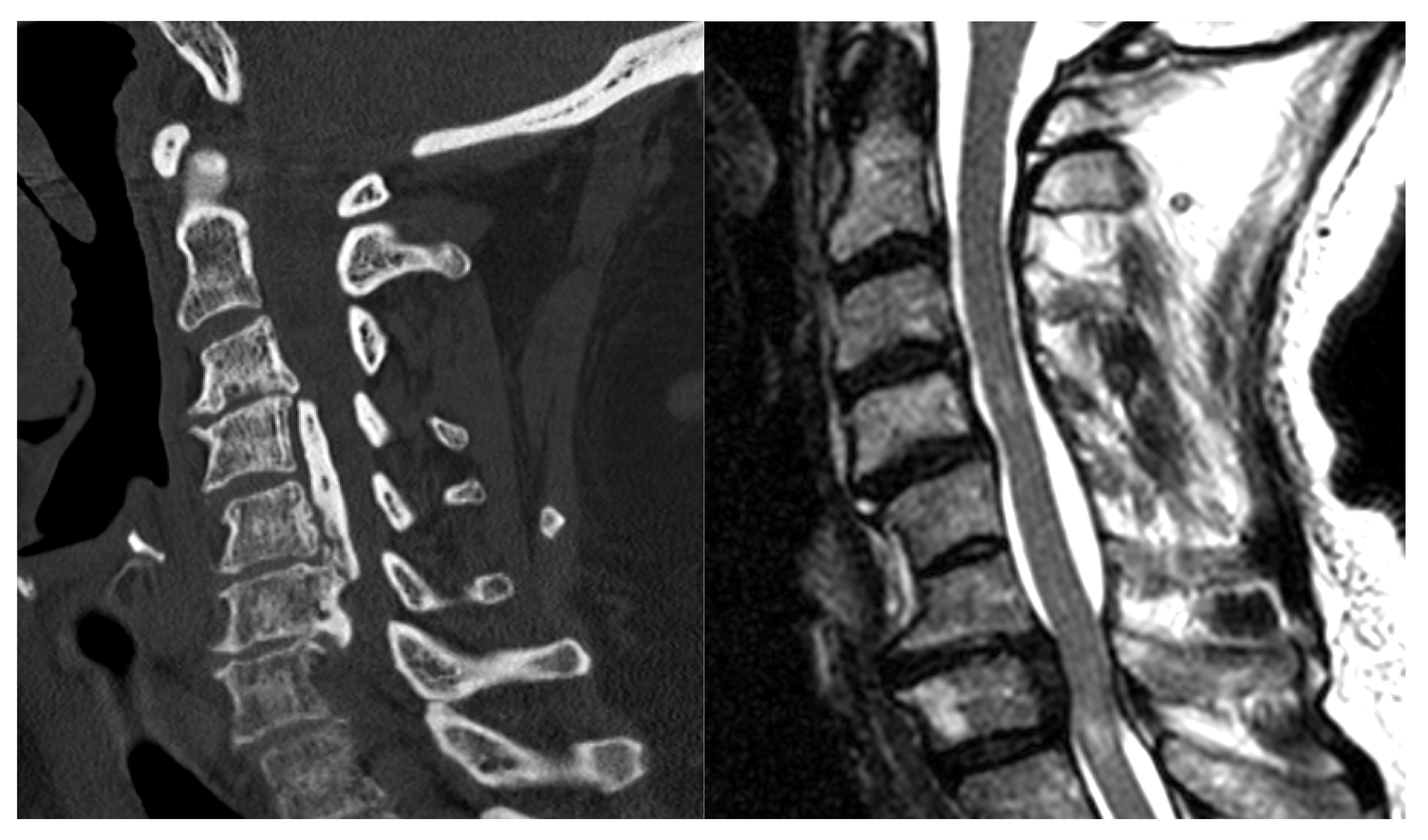
Credit: surgicoll.scholasticahq.com
Designing MRI report envelopes requires careful attention to detail. Avoiding common design mistakes helps make your envelopes clear and professional. These errors can confuse readers and reduce the impact of your message.
Packing too much information into a small space makes the envelope look messy. It becomes hard to find important details quickly. Keep only essential information visible. Use white space to separate different sections. This approach improves readability and looks cleaner.
Choosing hard-to-read fonts hurts communication. Avoid fancy or overly decorative fonts. Use simple, clean fonts that everyone can read easily. Colors should contrast well with the background. Bright or clashing colors can distract and confuse readers. Stick to calm and professional color schemes for a better look.
Brand consistency builds trust and recognition. Using different logos, fonts, or colors breaks this consistency. Always use your company’s official logo and colors. Follow your brand guidelines strictly. Consistent design shows professionalism and strengthens your brand identity.
Designing MRI report envelopes needs clear and professional style. The design should make information easy to find and read. A neat layout helps medical staff handle reports quickly. Simple designs avoid confusion and mistakes. Follow these tips to create an effective envelope design.
Choose clean, easy-to-read fonts. Avoid fancy or thin typefaces that blur. Use font sizes large enough for quick reading. Dark text on a light background works best. Leave enough space between lines and letters. Avoid clutter by limiting text to essentials only.
Organize information by importance. Use bold or larger fonts for titles and headings. Place key details in prominent spots on the envelope. Group related information together with clear sections. Use color or shading to separate areas. This guides eyes and speeds up information finding.
Select printing methods that keep text sharp and colors true. Matte finishes reduce glare and improve readability. Use durable ink that resists smudging or fading. Ensure paper quality matches the medical environment needs. Test print samples to check clarity and color accuracy.
Practical examples of effective MRI report envelopes help create better designs. These examples show how to avoid common errors. They focus on clarity, security, and ease of use. Good envelopes protect patient information and help staff handle reports quickly.
Minimalist designs use clean layouts and simple fonts. They avoid clutter that can confuse readers. Clear labels and enough white space improve readability. A plain background with a bold title guides the eye. This style looks professional and helps staff find information fast.
Security features keep patient data safe during handling. Envelopes with tamper-evident seals show if someone opened them. Watermarks or special printing prevent copying or forgery. Some designs use color codes for quick identification. These features build trust and protect privacy.
Patient-friendly envelopes use simple instructions and easy opening methods. Large fonts and icons help patients understand the purpose. Transparent windows allow quick viewing of the report inside. Clear return address and contact info reduce confusion. These elements make the process smooth and stress-free.
Testing and feedback play a key role in designing MRI report envelopes. They help find errors early and improve the final product. This process ensures the envelope meets user needs and medical standards. Careful testing avoids common mistakes and boosts reliability.
Start by asking the users for their opinions. Doctors, nurses, and technicians can provide valuable insights. Use surveys or interviews to collect their thoughts on design and usability. Focus on their challenges and preferences. This input guides practical improvements.
After collecting feedback, make changes to the design. Test the updated version again with users. Repeat this cycle several times to refine the envelope. Small adjustments can fix big problems. This iterative process leads to a better, user-friendly product.
Check the design against medical rules and regulations. The envelope must protect patient privacy and data security. Use clear labels and proper materials. Meeting these standards avoids legal issues and builds trust. Compliance is essential for safe medical communication.

Credit: www.vox.com

Credit: www.researchgate.net
Key elements include clear patient info, hospital branding, and secure closure. Use legible fonts and durable materials to ensure professionalism and confidentiality.
Avoid unclear patient details, poor print quality, and flimsy materials. Double-check information and use high-quality printing to maintain accuracy and durability.
A well-designed envelope protects sensitive data and reflects professionalism. It ensures reports reach patients securely and enhances the medical facility’s credibility.
Use sturdy, moisture-resistant paper or cardstock. These materials protect documents during handling and mailing, preserving report integrity.
Designing MRI report envelopes needs clear labels and neat layout. Avoid clutter and use readable fonts to help users. Keep important details visible and check for spelling errors. Use durable materials to protect the reports well. Small mistakes can cause big confusion.
Careful design saves time and improves patient trust. Follow these tips to create effective, simple envelopes. This helps medical staff and patients alike. Always review your design before final printing. A good envelope shows professionalism and care.