Blogs

Best Paper Quality (GSM Guide) for Doctor Files

Choosing the right paper quality for doctor files is one of the most important decisions in medical printing. Even a well-designed file can fail if the paper is too thin, weak, or unsuitable for daily use. Doctor files are handled repeatedly by patients, doctors, and staff, so durability and professional appearance matter.

This guide explains what GSM means, which GSM is best for doctor files, and how clinics and hospitals can select the right paper quality for long-term use.

What Is GSM and Why It Matters in Medical Printing

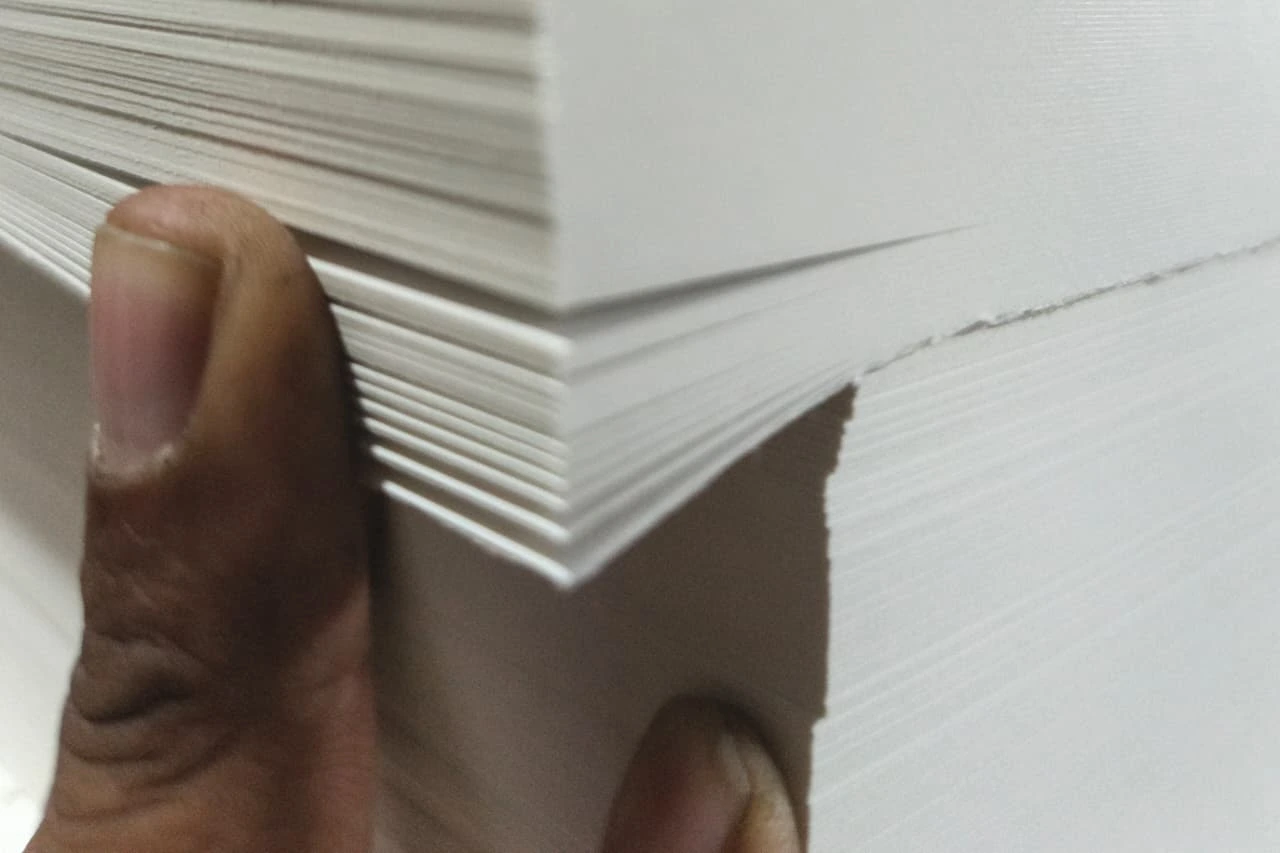
GSM stands for Grams per Square Meter. It indicates the thickness and weight of paper.

Higher GSM means:

  • Thicker paper
  • Better durability
  • More premium feel

Lower GSM means:

  • Thinner paper
  • Less durability
  • Lower cost

For doctor files, GSM directly affects how long the file lasts and how professional it looks.
Recommended GSM for Doctor Files

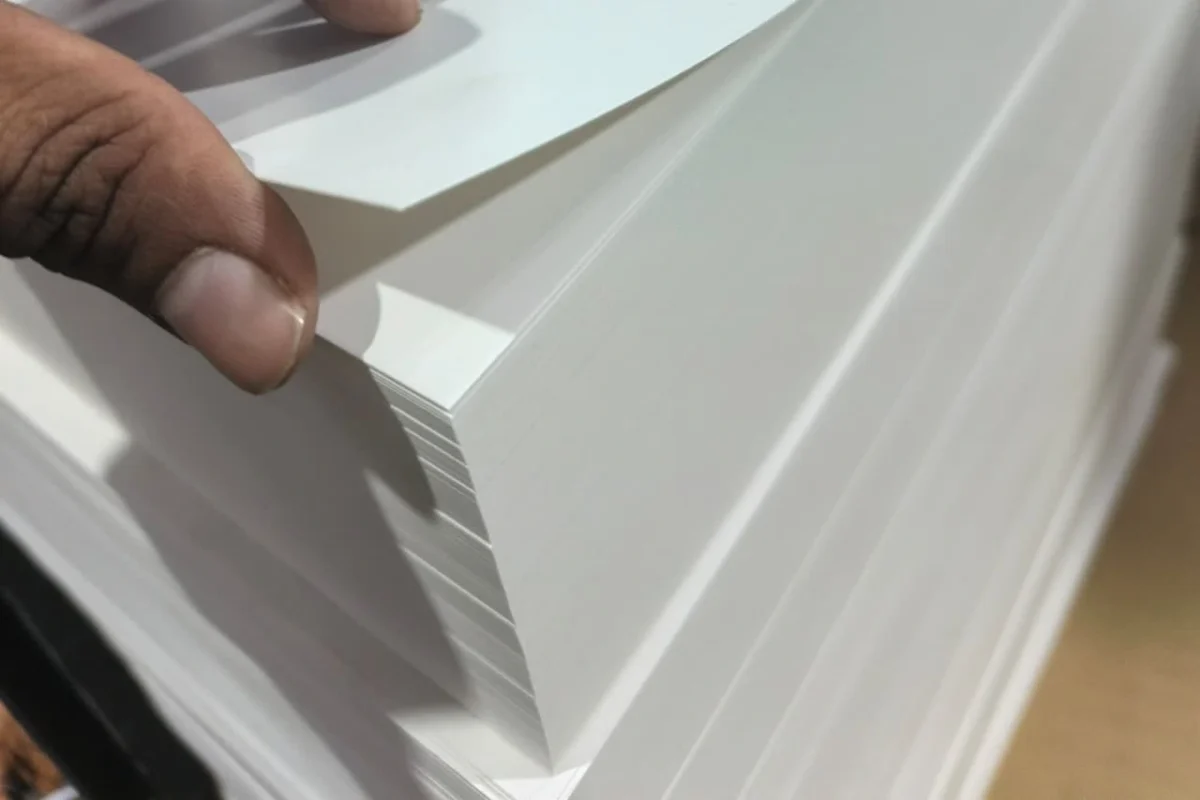
Not all healthcare facilities have the same needs. Below is a clear GSM breakdown.

300 GSM – Standard Quality

300 GSM is the most commonly used paper thickness for doctor files.

Best for:

  • Small clinics
  • Dental care centers
  • OPD-based practices

Advantages:

  • Cost-effective
  • Decent durability
  • Suitable for short to medium-term use

Limitations:

  • May bend over time without lamination

350 GSM – Premium Quality (Most Recommended)

350 GSM is ideal for most professional medical institutions.

Best for:

  • Diagnostic centers
  • Multi-specialty clinics
  • Hospitals

Advantages:

  • Strong and durable
  • Maintains shape for long-term use
  • Looks professional and premium

This GSM provides the best balance between quality and cost.
400 GSM – Luxury / High-End Quality

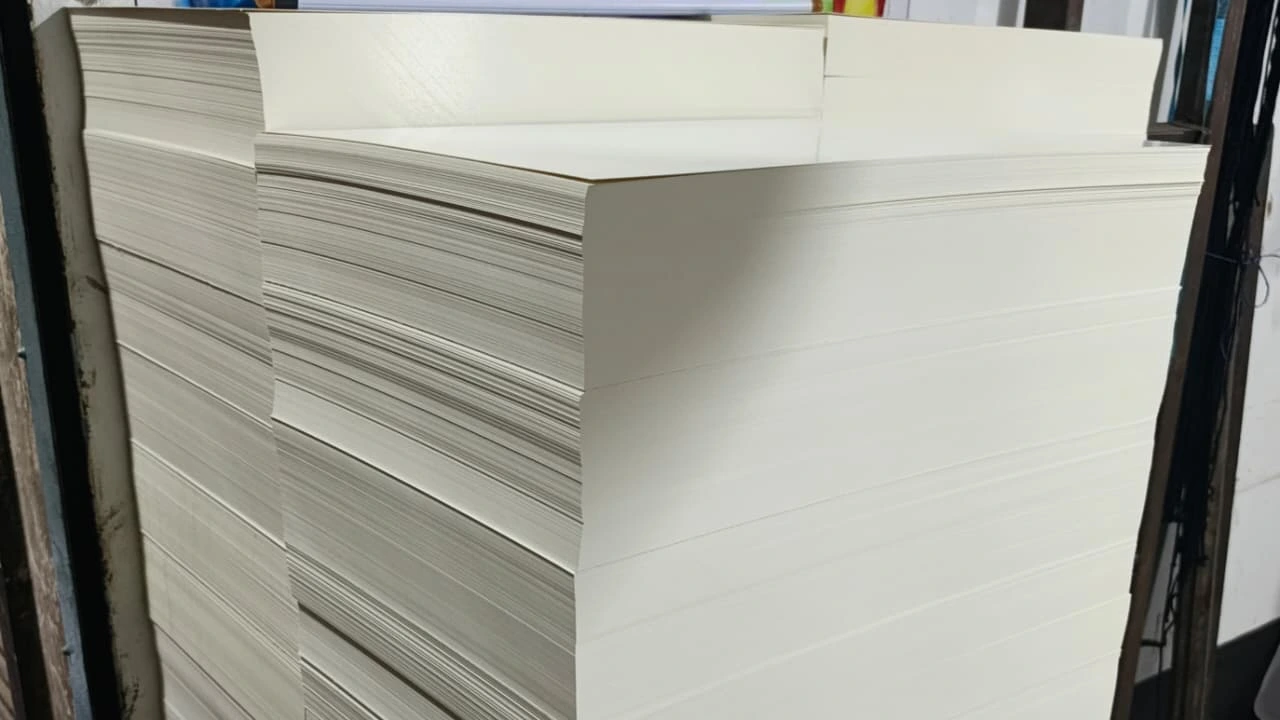
400 GSM is a premium option used mainly for branding-focused institutions.

Best for:

  • Corporate hospitals
  • High-end private clinics
  • Premium healthcare brands

Advantages:

  • Very strong and rigid
  • Long-lasting
  • High-end appearance

Limitations:

  • Higher cost
  • Not necessary for every clinic

Best Paper Types for Doctor Files

GSM alone is not enough. Paper type also plays a key role.

Art Card Paper

Most widely used option.

  • Smooth surface
  • Excellent print quality
  • Works well with lamination

Swedish Board

Premium board option.

  • Extra durability
  • Strong structure
  • Suitable for heavy daily use

Duplex Board

Budget-friendly option.

  • Lower cost
  • Suitable for basic use
  • Less premium appearance

Lamination Options for Doctor Files

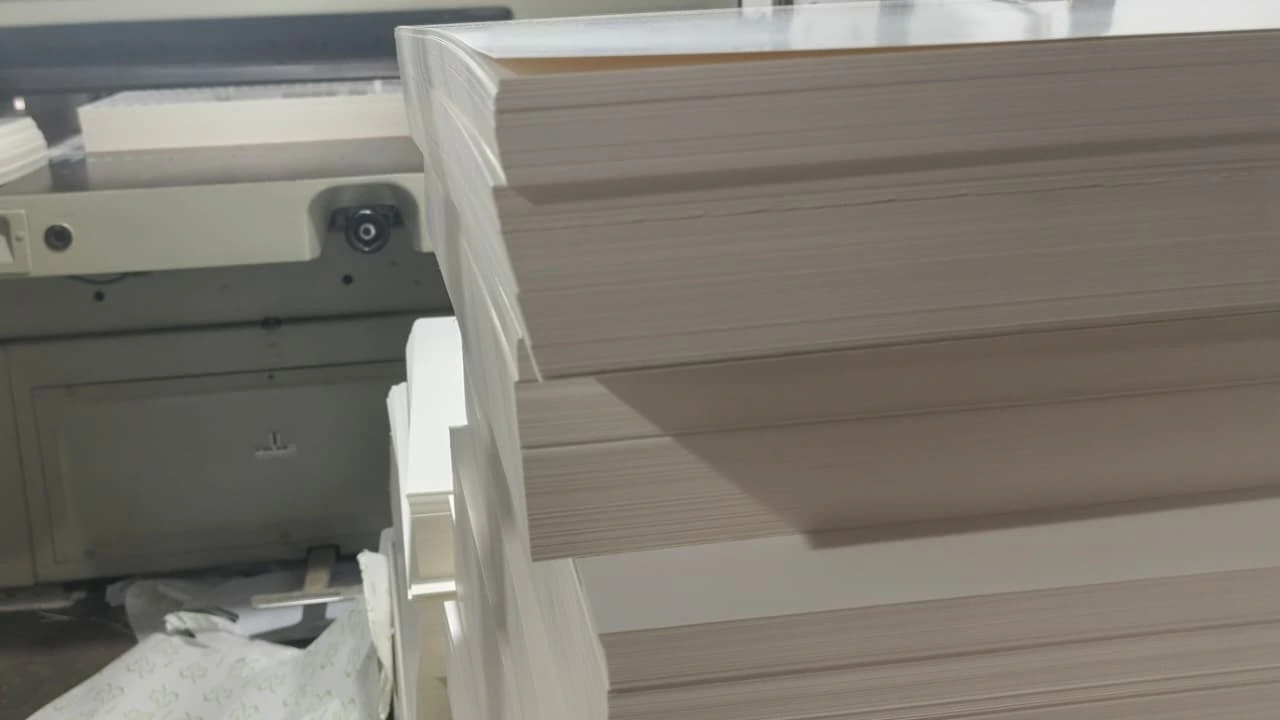
Lamination protects the file and increases lifespan.
Matte Lamination (Most Preferred)

  • Premium look
  • Scratch-resistant
  • No reflection under light

Gloss Lamination

  • Shiny finish
  • Water-resistant
  • Bright colors

Soft-Touch Lamination

  • Velvet-like texture
  • Luxury feel
  • Higher cost

For most clinics and hospitals, matte lamination on 350 GSM paper is the ideal choice.

How Paper Quality Affects Patient Experience

High-quality doctor files:

  • Protect medical documents
  • Feel professional to patients
  • Improve trust in the clinic
  • Reduce paper damage and loss

Low-quality files:

  • Bend or tear easily
  • Look unprofessional
  • Create dissatisfaction

Paper quality directly influences how patients perceive your healthcare service.

Common Mistakes When Choosing Paper for Doctor Files

  • Choosing low GSM to reduce cost
  • Ignoring lamination
  • Using paper that doesn’t hold A4 documents properly
  • Mixing different GSM in the same batch
  • Not testing sample prints before bulk printing

Avoiding these mistakes ensures consistency and durability.

Final Recommendation

For most clinics and hospitals:

  • Paper: Art card or Swedish board
  • GSM: 350 GSM
  • Lamination: Matte

This combination offers the best balance of quality, durability, and professional appearance.

Frequently Asked Questions (FAQ)

What is the best GSM for doctor files?

350 GSM is the most recommended GSM for doctor files because it provides durability, structure, and a premium look suitable for daily medical use.

Is 300 GSM good enough for doctor files?

Yes, 300 GSM is suitable for small clinics or short-term use, especially when combined with lamination. However, it may not last as long as higher GSM options.

Should doctor files be laminated?

Yes, lamination is highly recommended. Matte lamination is preferred for medical files as it offers a professional look and protects against scratches and moisture.

Which paper type is best for medical files?

Art card paper and Swedish board are the best choices due to their strength and print quality.

Does higher GSM always mean better quality?

Not always. While higher GSM increases durability, choosing the right paper type and lamination is equally important for overall quality.

Conclusion

Selecting the right paper quality for doctor files is a critical part of medical branding and document management. A strong, well-laminated file protects patient records, improves user experience, and reflects the professionalism of your clinic or hospital.

Investing in the correct GSM and paper type ensures your doctor files last longer and create a positive impression on every patient.


author-avatar

About Rabius Sani

Rabius Sani is the founder of rxpress.design and a specialist in medical printing solutions for hospitals and healthcare facilities. He holds a Bachelor of Science in Computer Engineering from Sonargaon University. With a strong technical background and hands-on experience in the printing industry, he bridges technology and print to deliver reliable, high-quality medical stationery. Through rxpress.design, he provides comprehensive hospital printing services including Prescription Files, Prescription Pads, X-Ray Envelopes, MRI Envelopes, ECG Cards, Pathology Envelopes, and other customized healthcare print materials. Rabius is deeply interested in research and writing about medical printing covering topics such as paper quality, sizes, finishing standards, durability, and practical usage in real healthcare environments. His goal is to help hospitals, clinics, diagnostic centers, and dental practices adopt professional, durable, and well-designed medical printing solutions that improve daily workflow and patient experience.

Leave a Reply

Your email address will not be published. Required fields are marked *