

Get Quotation!
We are ready to answer right now! Let us your information we will call you shortly.
I consent to the processing of personal data and agree with the user agreement and privacy policy
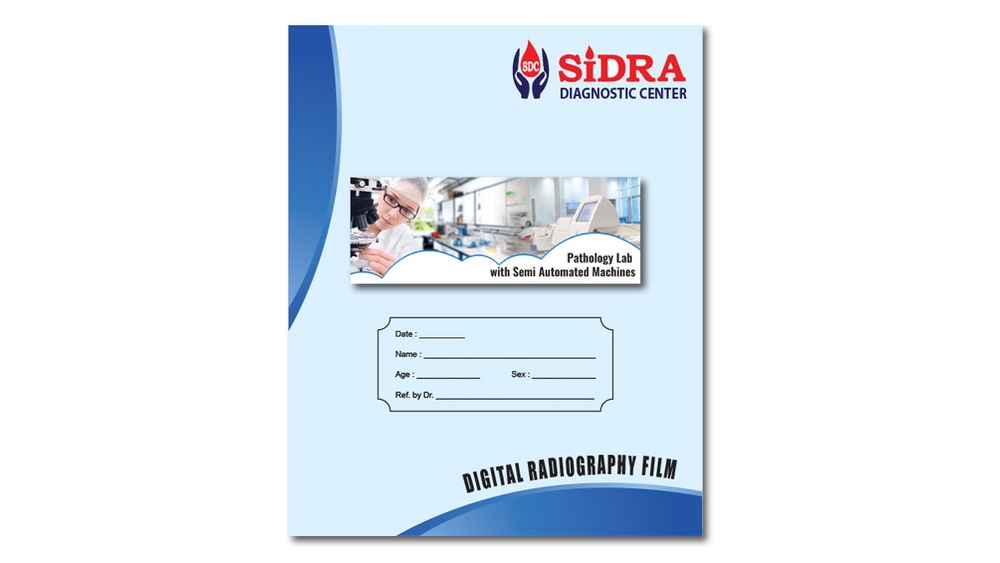
Pathology envelopes are very important in a diagnostic center. They hold patient samples safely. These envelopes keep the samples clean and organized. If you want to make pathology envelopes yourself, this guide will help you.
This article shows you simple steps. You will learn what materials to use. You will also see how to design and make the envelopes. All steps are easy to follow.

Credit: mehtaenvelope.com
Pathology envelopes are special bags or folders. They hold blood samples, urine samples, or other test samples. These envelopes protect the samples during transport to the lab. They keep the samples safe and prevent spills.
These envelopes also hold patient information. This helps the lab know whose sample it is. Clear labeling is very important.
Before you start, gather these materials:
| Material | Purpose |
|---|---|
| Paper or Cardboard | To make the envelope body |
| Transparent Plastic Sheet | To see the label or form inside |
| Adhesive Tape or Glue | To stick parts together |
| Scissors or Cutter | To cut paper and plastic |
| Pen or Marker | To write patient details |
| Rubber Bands or String | To close the envelope securely |
Pathology envelopes must fit the sample containers. Usually, blood sample vials or urine containers are small. Make envelopes about 8 inches by 5 inches. This size fits most tubes and papers.
Cut a rectangle from paper or thin cardboard. The size should be double the envelope size. For example, if your envelope is 8×5 inches, cut 16×5 inches piece.
Fold the paper in half along its length. Make sure edges line up well. This fold creates the main pocket of the envelope.
Cut a smaller rectangle from plastic sheet. The size can be 4×3 inches. Paste this plastic on one side of the envelope. This window will show the patient details inside.
Use glue or tape to close the bottom and side edges. Leave the top open to insert samples. Make sure the seal is strong. It should not tear easily.
Write patient name, test date, and test type on the envelope. Use a marker or pen. You can also put a printed label inside the plastic window.
Put the sample container inside the envelope carefully. Close the open end using tape, rubber band, or string. Make sure it is secure to avoid spills.
Good design helps lab workers and patients. Here are some design ideas:

Credit: www.postermywall.com
Buying envelopes can be expensive. Making your own saves money. You can control quality and size. You can add special features your center needs. Also, making envelopes yourself helps keep supplies ready.
This way, diagnostic centers stay organized and professional. Samples reach labs safely. Patient details stay clear. Staff work faster and safer.
You need good quality paper, adhesive tape, scissors, and a printer. Label sheets and sealing glue help too.
Measure the samples and reports to fit inside comfortably. Add extra space for easy handling.
Regular paper is weak and may tear easily. Use thick, durable paper or cardstock for safety.
Print patient name, sample type, date, and center details. Clear labels prevent confusion and errors.
Pathology envelopes are simple but very important. Making your own envelopes is easy with the right materials. Follow these steps to create good, strong envelopes. Always focus on safety and clear patient info.
Good pathology envelopes help labs give better results. They protect samples from damage. They keep information clear and organized. Every diagnostic center can benefit by making these envelopes in-house.
Start today. Gather materials and try making a few envelopes. Soon, you will see how useful they are. Your patients and lab staff will thank you for the care you show.