

Get Quotation!
We are ready to answer right now! Let us your information we will call you shortly.
I consent to the processing of personal data and agree with the user agreement and privacy policy
Ultrasonography is a useful medical tool. It helps doctors see inside the body. To work well, ultrasonography devices need good design. One part of the device is the envelope. The envelope holds the ultrasound probe and other parts. Designing this envelope is very important.
Many people make mistakes when they design ultrasonography envelopes. These mistakes can cause problems. The device might not work well. It could be hard to use. Or it may break quickly. In this article, we will talk about the common mistakes. We will also explain how to avoid them.
The envelope is the outside cover of the ultrasound device. It protects the inside parts. It also helps the user hold the device. The envelope must be strong but easy to hold. It should not be too big or too small.
Good design of the envelope helps the device last longer. It also makes the device easier to clean. This is very important in hospitals and clinics.
The envelope must do many jobs at once. It must protect the device from damage. It must be comfortable to hold for a long time. It must allow sound waves to pass through without trouble. It must be easy to clean and safe for patients. Getting all these things right is not easy.
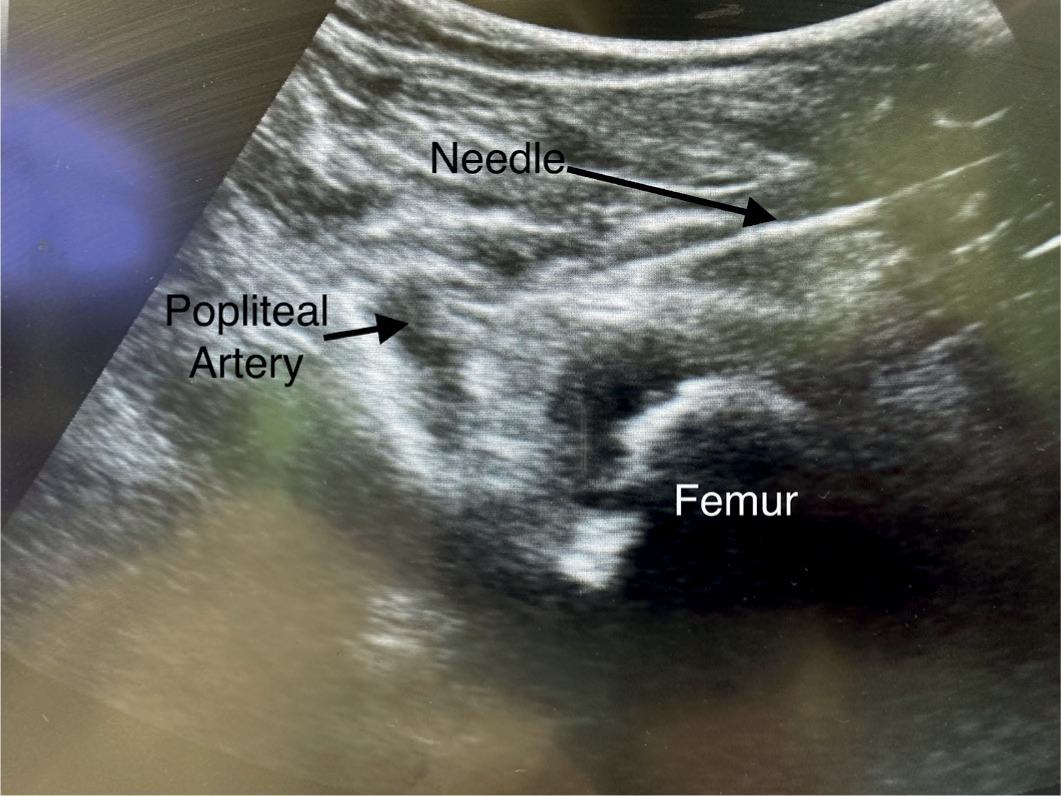
Credit: www.ait-journal.com
One big mistake is choosing the wrong materials. The material must be strong and safe. It should not cause allergies or reactions on the skin. Some materials are too hard or too soft. If the material is hard, the device is uncomfortable to hold. If it is soft, it may break easily.
Also, the material must allow ultrasound waves to pass. Some materials block these waves. This makes images unclear. Always pick materials tested for ultrasonography use.
Another common mistake is bad size and shape. The envelope should fit the user’s hand well. If it is too big, users get tired fast. If it is too small, it feels tight and uncomfortable.
The shape matters too. A round or smooth shape is easier to hold. Sharp edges or strange shapes make it hard to use. Designers must think about how doctors hold the device. Testing different shapes helps find the best design.
Ultrasonography devices often meet water or gel during use. The envelope must keep water out. If water gets inside, it can damage the device. Some designers forget this. They do not add good seals or waterproof layers.
Waterproof design is important for device safety. It also helps in cleaning. Always include waterproof features in the envelope design.
Hospitals clean ultrasonography devices many times each day. The envelope must be easy to clean. Some materials get damaged by cleaning chemicals. Others have small cracks where germs hide.
Designers sometimes forget cleaning rules. They make envelopes hard to clean or unsafe. Use smooth surfaces and strong materials. This helps keep the device clean and safe.
The envelope should not be too heavy. A heavy device is hard to hold for long. It causes fatigue and discomfort. Some designers add too many layers. This makes the envelope heavy and bulky.
Keep the envelope light but strong. Use lightweight materials that protect well. This improves user comfort and device usability.
Many ultrasonography devices have cables. These cables connect the probe to the machine. Bad envelope design does not hold cables well. Cables can get tangled or damaged.
Good envelope design includes ways to keep cables safe. It prevents cables from pulling or twisting. This helps the device last longer and work better.
Some designers do not test envelopes with real users. They only test in labs or machines. But real doctors and nurses use the device. Their feedback is very important.
Testing with users shows problems early. It helps improve comfort and function. Always include user testing in the design process.
Credit: starfishmedical.com
Good design needs careful planning. Here are tips to avoid common mistakes:
| Mistake | Problem | Solution |
|---|---|---|
| Wrong materials | Uncomfortable or poor images | Use tested, safe materials |
| Bad size and shape | Hard to hold, causes fatigue | Design ergonomic shapes and sizes |
| No waterproofing | Device damage from water | Add seals and waterproof layers |
| Hard to clean | Germs and device damage | Use smooth surfaces, easy-clean materials |
| Heavy envelope | User fatigue and discomfort | Choose lightweight but strong materials |
| Poor cable design | Damaged or tangled cables | Include cable holders and guides |
| No user testing | Unnoticed design problems | Test with doctors and nurses |
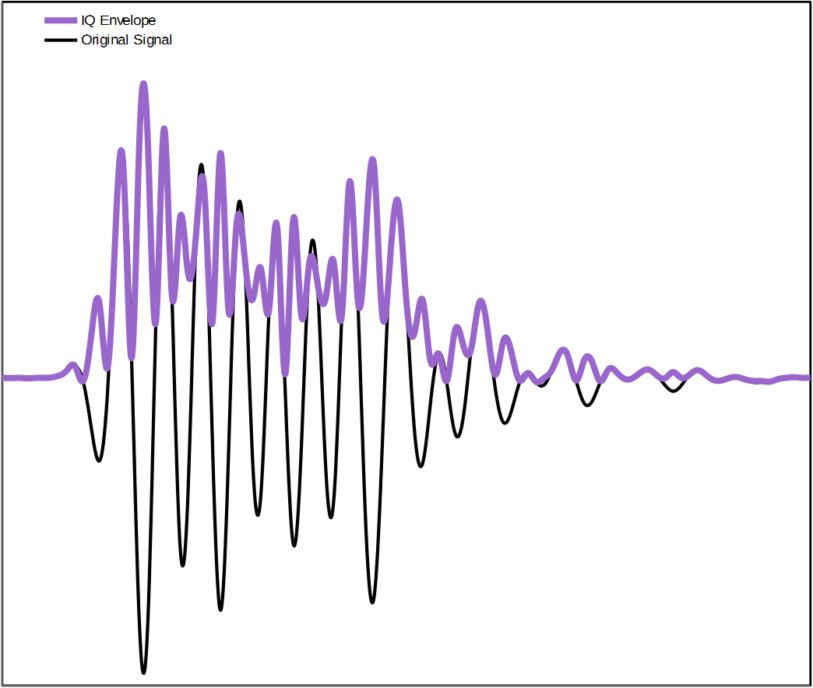
Common errors include poor signal processing and incorrect envelope detection methods. These mistakes reduce image clarity and accuracy.
Envelope detection extracts useful signal parts for clearer images. It helps show detailed structures in ultrasound scans.
Noise distorts signals and lowers image quality. Proper filtering is needed to reduce noise effects.
Signal processing shapes raw data into visible images. Correct techniques improve resolution and diagnostic value.
Designing ultrasonography envelopes is not simple. Many mistakes can reduce device quality. Choosing the right materials and size helps a lot. Waterproofing and easy cleaning keep devices safe and healthy. Light weight and good cable management improve user experience. Most importantly, testing with real users catches hidden problems.
If you design or use ultrasonography devices, avoid these mistakes. Good design helps doctors do their work better. It also helps patients get better care.