

Get Quotation!
We are ready to answer right now! Let us your information we will call you shortly.
I consent to the processing of personal data and agree with the user agreement and privacy policy
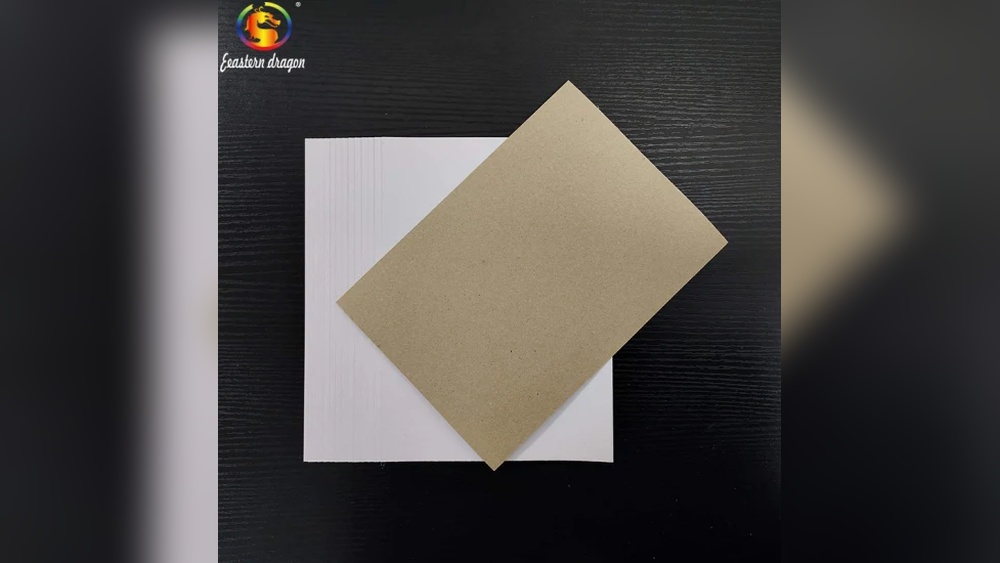
When it comes to choosing the right packaging material, you might feel overwhelmed by the options. Two popular choices you’ll often hear about are Swedish board and duplex board.
But which one truly fits your needs? Understanding the key differences can save you time, money, and frustration. You’ll discover what sets Swedish board apart from duplex board, helping you make a smart decision for your products. Keep reading—you’re about to unlock the secret to better packaging that works perfectly for you.
Swedish board is a type of paperboard known for its strength and quality. It stands out in packaging and printing industries. Understanding its basics helps in choosing the right board for your needs.
This section covers the material, uses, and features of Swedish board. It helps compare it with duplex board easily.
Swedish board is made mainly from virgin wood pulp. It contains long fibers that add strength. The board has multiple layers pressed tightly together. This process creates a thick and durable surface. It usually has a smooth, white top layer for better printing.
Swedish board is popular in packaging high-end products. It often holds cosmetics, electronics, and luxury goods. The board is also used for book covers and business cards. Its smooth surface makes it ideal for clear and sharp prints. This board works well for products needing extra protection.
Swedish board is strong and rigid. It resists bending and crushing easily. Its surface is smooth and bright, perfect for printing colors. The board is thicker than many other types. It provides good protection and a premium look. It also absorbs ink well, improving print quality.
Duplex board is a popular type of paperboard widely used in packaging. It offers a smooth surface on one side and a rough surface on the other. This combination makes it ideal for printing and folding. Understanding its essentials helps in choosing the right board for your needs.
Here is a closer look at the material, uses, and features of duplex board.
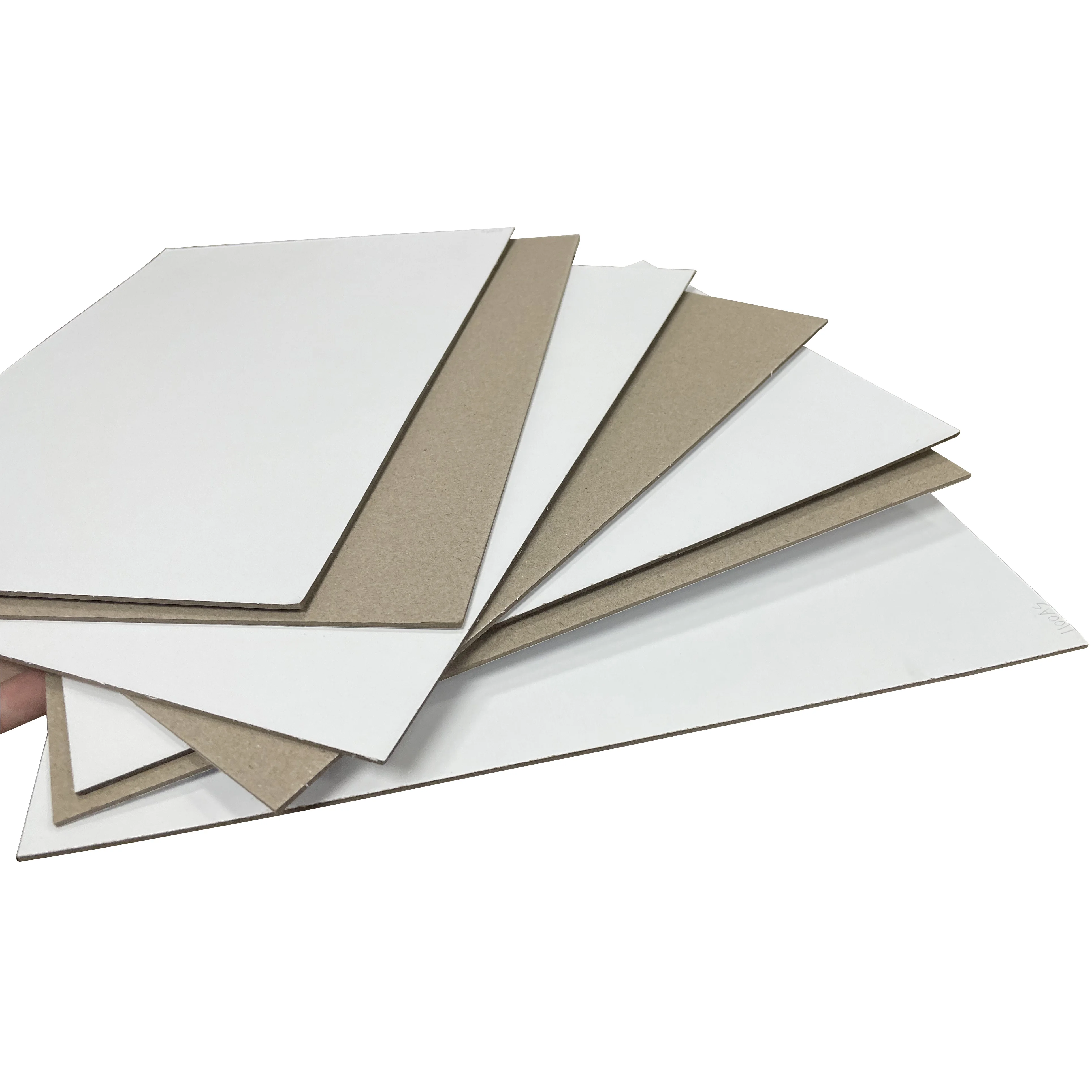
Duplex board consists of two layers of paper. The top layer is white and smooth, made for printing. The bottom layer is rough and made from recycled fibers. This mix gives strength and a good surface for designs.
Duplex board is mainly used for packaging food items like cereals and snacks. It is also common in cartons for cosmetics and pharmaceuticals. Its printable surface makes it great for branding and product information.
The board is lightweight but strong enough to protect products. It has good stiffness, which helps in easy folding and shaping. Duplex board is eco-friendly because it uses recycled materials. It offers good print quality for sharp images and text.
Strength and durability are key factors in choosing the right board for packaging. Both Swedish Board and Duplex Board offer unique qualities. These qualities affect how well the packaging protects products during handling and transport.
Understanding their strength and durability helps in selecting the best option for your needs. Let’s explore their load-bearing capacity, resistance to moisture, and impact on packaging safety.
Swedish Board is known for its high load-bearing capacity. It has dense fibers that provide extra strength. This makes it ideal for heavy or bulky items.
Duplex Board has a good load-bearing capacity too. It supports moderate weights well but may not handle very heavy loads. Choose based on the weight of your product.
Swedish Board shows better resistance to moisture. It absorbs less water, keeping the board strong. This is useful in humid or damp conditions.
Duplex Board can absorb moisture more easily. It may weaken if exposed to water for a long time. Proper coating or treatment is needed to improve its resistance.
Strong boards protect products from damage during shipping. Swedish Board offers firm support and reduces the risk of crushing.
Duplex Board provides decent protection but can be less durable under rough handling. It suits lighter, less fragile items better.
Credit: ediconpaperproduct.com
Surface finish and print quality define the visual appeal of packaging materials. These factors influence how well a product stands out on shelves. Swedish board and duplex board differ in texture and printing results. Understanding these differences helps choose the right board for specific packaging needs.
Swedish board has a smooth, bright surface. It feels soft to touch and looks clean. Duplex board has a rougher surface on one side and a white, smoother face on the other. The smooth side of duplex board is less glossy than Swedish board. This difference affects how the package looks and feels to customers.
Swedish board works well with most printing methods. It accepts inks and coatings evenly. This makes colors sharp and clear. Duplex board suits simple printing styles like flexography and offset. It may not hold detailed designs as well. Choosing the right board depends on the printing process used.
Swedish board offers a premium look for luxury brands. Its smooth surface helps logos and text stand out. Duplex board fits brands needing basic, cost-effective packaging. It allows decent print quality for everyday products. Both boards support branding but serve different market needs.
Cost and availability are key factors when choosing between Swedish board and duplex board. Both materials serve packaging needs but differ in price and supply. Understanding these differences helps businesses make smart decisions that fit their budget and timeline.
Swedish board usually costs more than duplex board. It has a higher quality and smoother surface. Duplex board is cheaper and widely used for common packaging. The price difference reflects the materials and manufacturing processes.
Swedish board supply depends on specific sources in Sweden. It can face delays due to limited production sites. Duplex board is produced worldwide, so it has better availability. This makes duplex board easier to get in large quantities.
Choosing the right board affects packaging budgets. Swedish board raises costs but offers premium quality. Duplex board lowers expenses and suits mass production. Both influence the overall packaging strategy and product pricing.
Choosing the right board material affects the environment in many ways. Swedish Board and Duplex Board differ in how they impact nature. Understanding these differences helps businesses and consumers make better choices. Here, we explore key environmental factors of both boards.
Swedish Board is easy to recycle due to its simple structure. It breaks down quickly in recycling plants. Duplex Board also recycles well but has multiple layers. These layers sometimes slow the recycling process. Both boards reduce waste by being reusable. Proper recycling extends their life and lowers landfill pressure.
Swedish Board often comes from well-managed forests. These forests follow strict rules to protect nature. Duplex Board may use mixed fibers, including recycled content. Some manufacturers use sustainable methods to produce it. Choosing boards with certifications supports responsible forestry. Sustainable practices help keep ecosystems healthy.
Swedish Board generally has a lower carbon footprint. Its production uses less energy and fewer chemicals. Duplex Board’s carbon impact can be higher due to layered manufacturing. Transport and processing add to emissions for both boards. Choosing local suppliers reduces carbon output. Lower carbon footprints mean less harm to the planet.
Choosing the right board for packaging is important. It affects product protection and presentation. Swedish board and duplex board have different features. Each suits specific needs and budgets. Understanding these differences helps pick the best option.
Consider the packaging purpose clearly. Think about how the product will be used and stored. This guides the choice between Swedish and duplex board.
Start by checking the strength needed for your package. Swedish board is strong and smooth. It is good for high-quality prints and luxury items. Duplex board is less smooth but sturdy. It works well for simple, protective packaging. Think about moisture resistance and durability too. Choose the board that matches these needs.
Swedish board costs more because of its quality and finish. Duplex board is cheaper and fits tight budgets. Weigh the cost against your packaging goals. Spending more makes sense for premium products. For basic packaging, duplex board saves money without losing function.
Match the board to the product type. Swedish board suits delicate or high-end goods. It offers a smooth surface for clear branding. Duplex board fits food packaging or heavier products. It provides good protection and is eco-friendly. Choose based on product weight and shelf life.

Credit: chinabestpaper.en.made-in-china.com
Case studies help us see how Swedish Board and Duplex Board perform in real life. They show strengths and weaknesses clearly.
These examples guide businesses in choosing the right board for their needs. Each board suits different purposes.
A luxury brand used Swedish Board for its product packaging. The board’s smooth surface gave a clean, elegant look.
The packaging stood out on shelves and attracted many customers. The board’s strength also protected the products well.
Another company chose Swedish Board for printing high-quality catalogs. The print appeared sharp and colors were vivid.
This made the catalogs more appealing and helped increase sales. The board’s durability kept the catalogs intact for longer.
A food company used Duplex Board for its snack boxes. The board’s cost-effectiveness helped reduce packaging expenses.
It also provided good protection while being lightweight. The white surface allowed easy printing of clear logos and information.
Another business preferred Duplex Board for shipping cartons. The board’s thickness ensured products stayed safe during transit.
This choice improved customer satisfaction by reducing damaged goods. The board’s recyclable nature also supported the company’s green goals.
Credit: www.alibaba.com
Swedish board is a high-quality, thick paperboard. Duplex board has two layers, with a white top layer. Swedish board offers superior strength and smoothness. Duplex board is economical and used for packaging.
Swedish board is better for premium packaging due to durability. Duplex board suits lightweight packaging needs. Choose based on product weight and presentation requirements.
Swedish board is generally more expensive because of quality. Duplex board is cost-effective for mass production. Budget and quality needs dictate the choice.
Yes, Duplex board is often used for food packaging. Its white surface is ideal for printing. However, it requires a food-safe coating.
Swedish Board and Duplex Board both serve packaging needs well. Swedish Board offers strength and smoothness for high-quality prints. Duplex Board is cost-effective and good for lightweight packaging. Choosing depends on your product and budget needs. Both materials protect items and support branding.
Think about what matters most: durability or price. This helps make the best choice for your packaging. Each board has clear benefits for different uses. Simple and smart decisions lead to better packaging results.